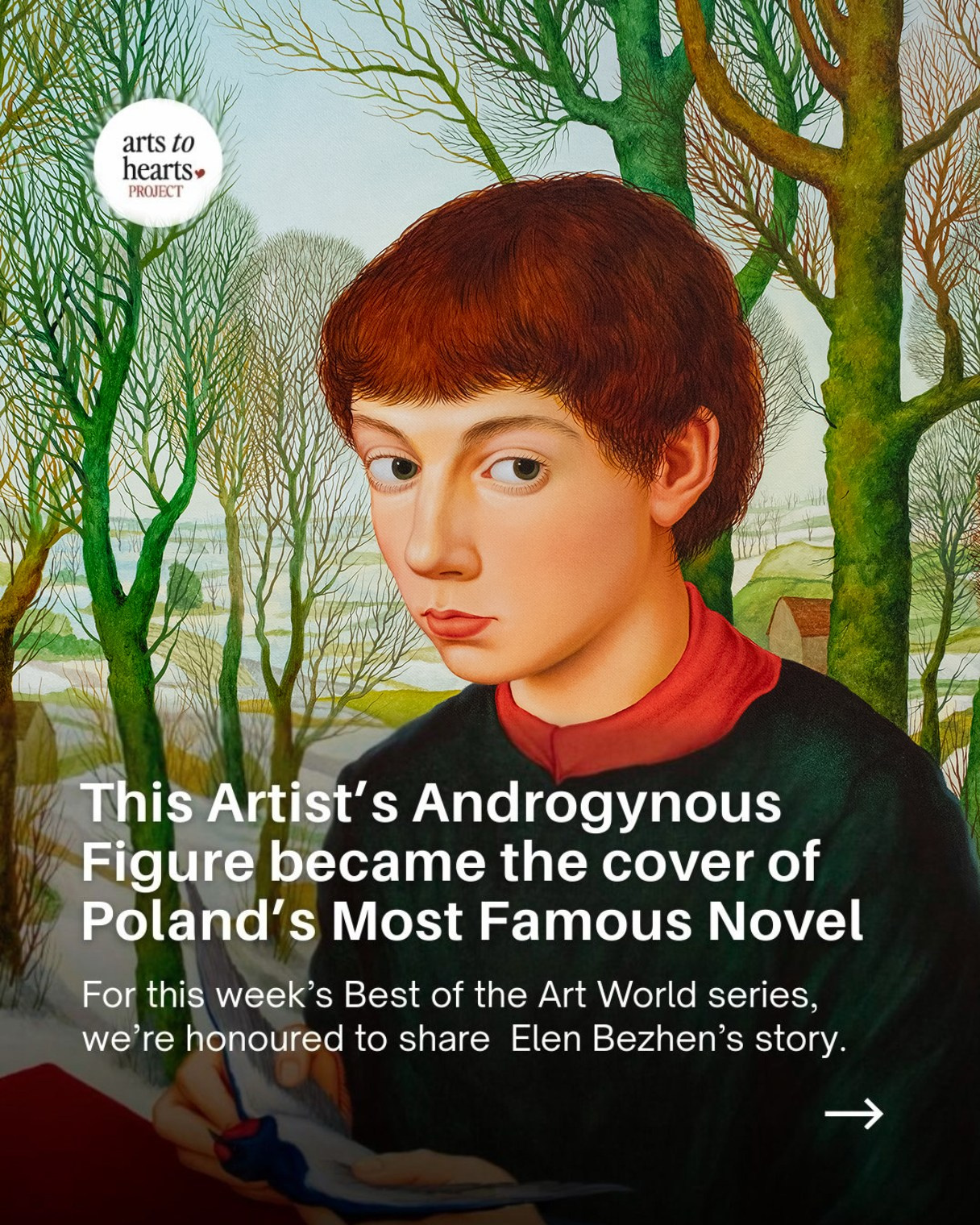
Orlando — perhaps the most famous love letter from one woman to another in English-language prose — is also a parable about gender identity, a fantasy, a pseudo-biography, a coming-of-age novel, a literary hoax, and a satire on the world of literature. It continues to fascinate: initially regarded as the extravagant work of a great writer, it has proven to be a text of subversive power.
Even if we are familiar with previous translations, made more than thirty years ago, we should read Aga Zano’s version — and then read it again, because each reading serves both the text and us. Let us reach for this edition: it is the first with illustrations that form an integral part of the playful experience to which Woolf invites us.
Jerzy Jarniewicz
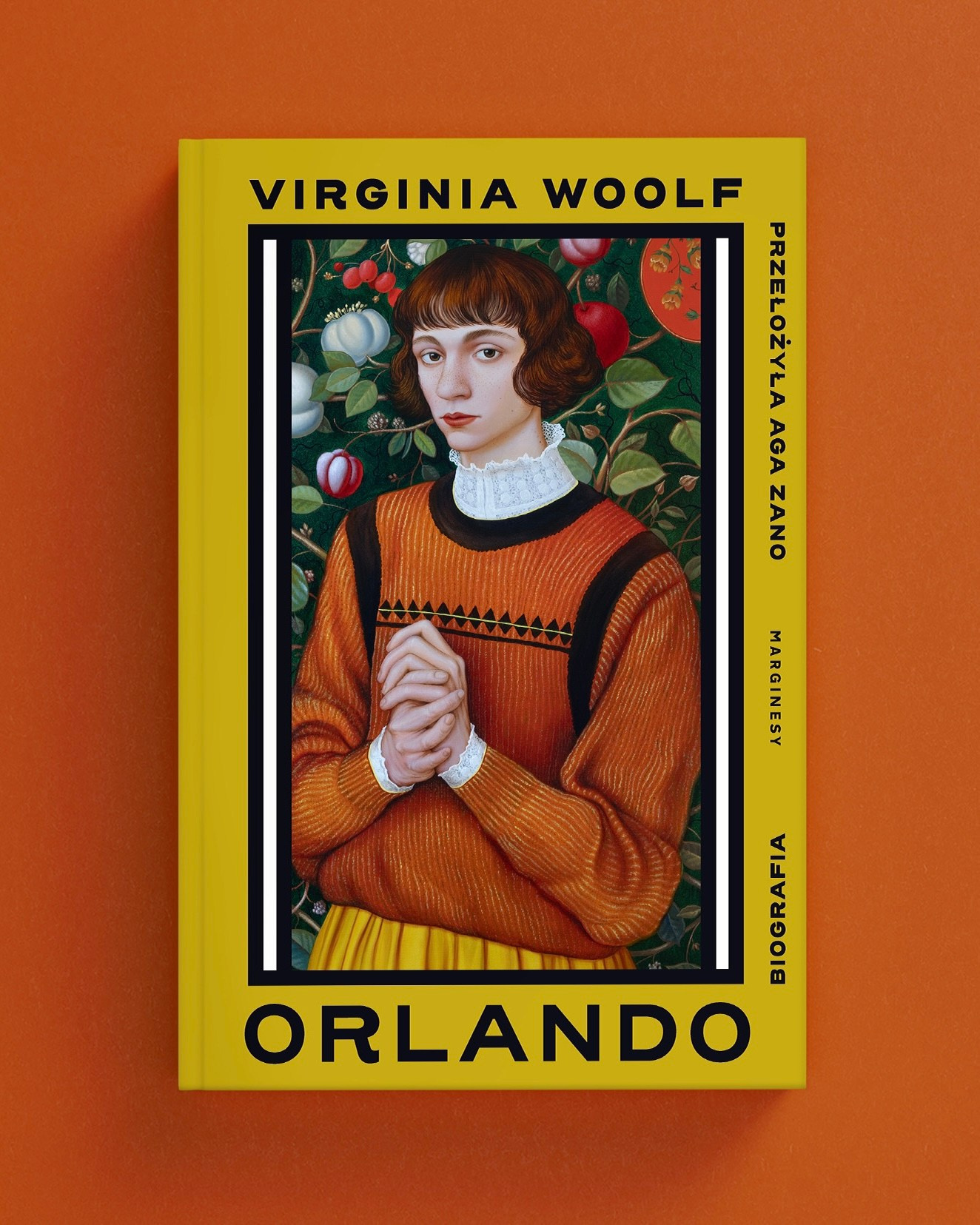
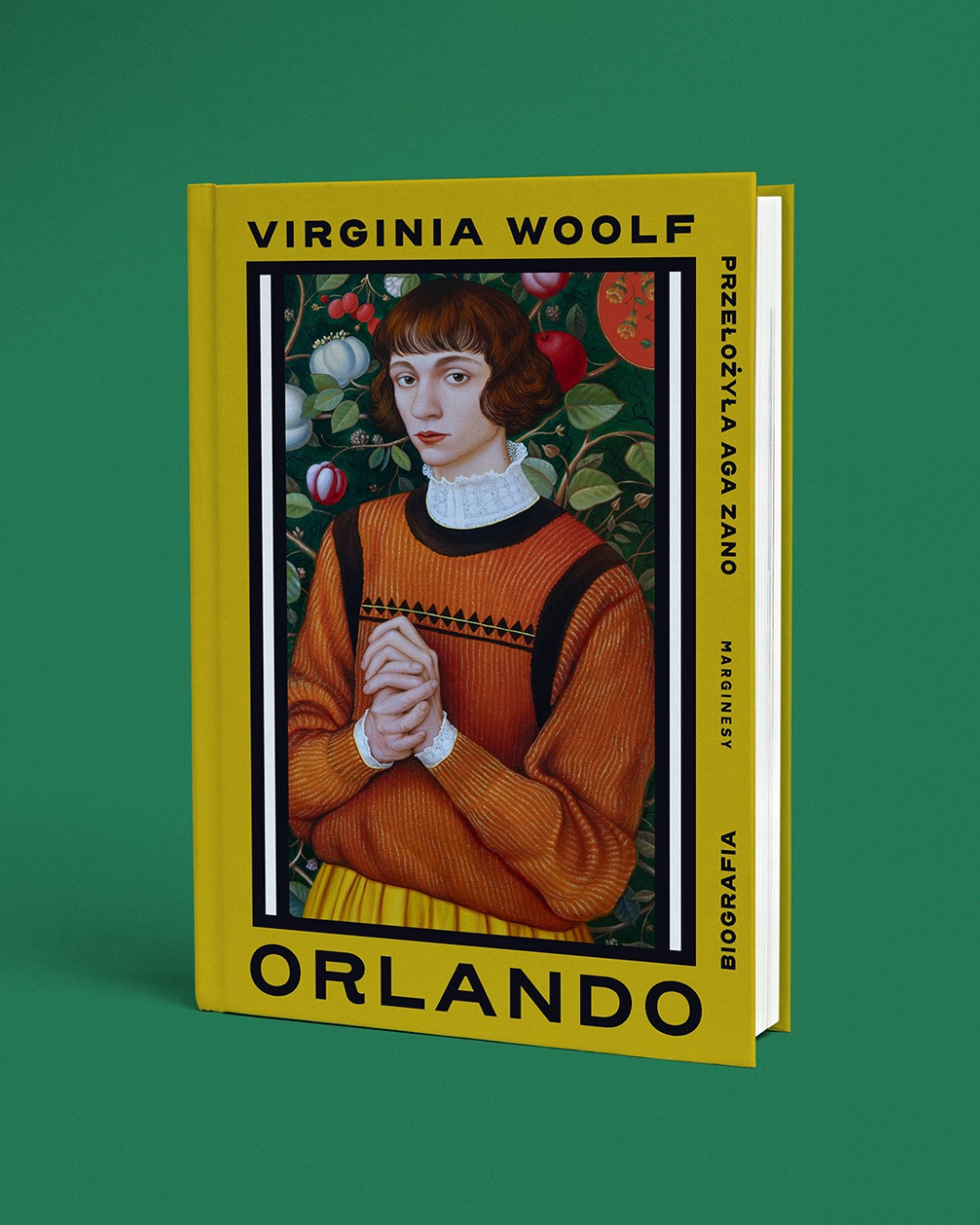
Virginia Woolf. ORLANDO
One of the most original and daring works in 20th-century literature, now available in a new translation by Aga Zano — the first in 30 years. Orlando is born as a boy. A longing for passion, adventure, and fulfillment pulls him out of his own time. His journey in pursuit of dreams begins in Elizabethan England and, passing through the era of the Ottoman Empire, leads all the way to the 1920s. Midway through this journey, Orlando becomes a woman. The change of gender becomes a profound psychological, civilizational, and cultural experience.
Woolf asks questions about how gender influences an individual’s life, what expectations are tied to it, and how society shapes our existence based on this category. The author also experiments with the form of biography, creating a fictional life story that defies convention. Sparkling with humor, irony, and satire, the novel is also filled with references to literature, art, and history.
Orlando is considered Virginia Woolf’s most important work and a pioneering text in the context of literary gender analysis.
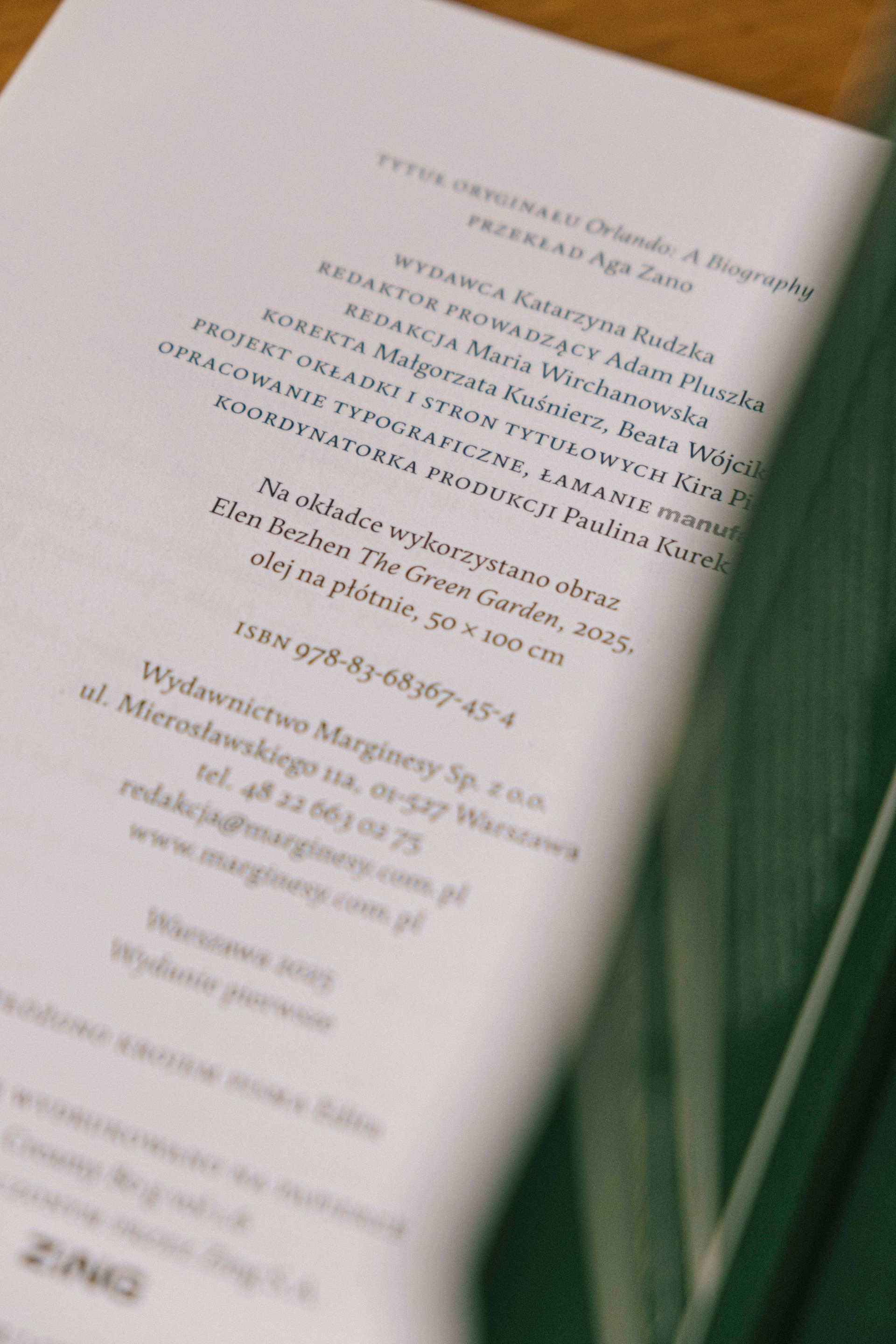
Editorial supervision — Adam Pluszka
Editing — Maryna Wirchanowska
Publisher — Marginesy
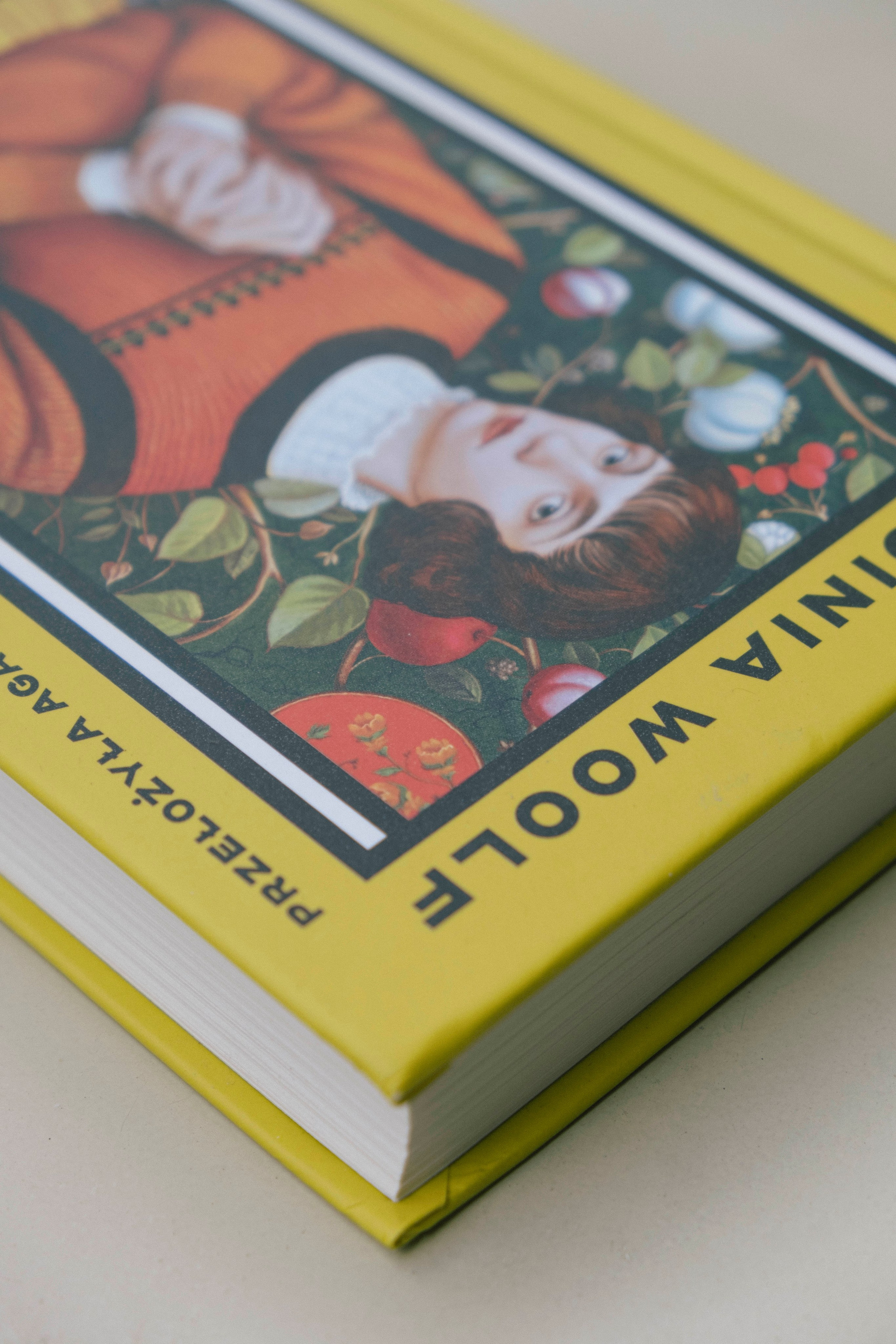
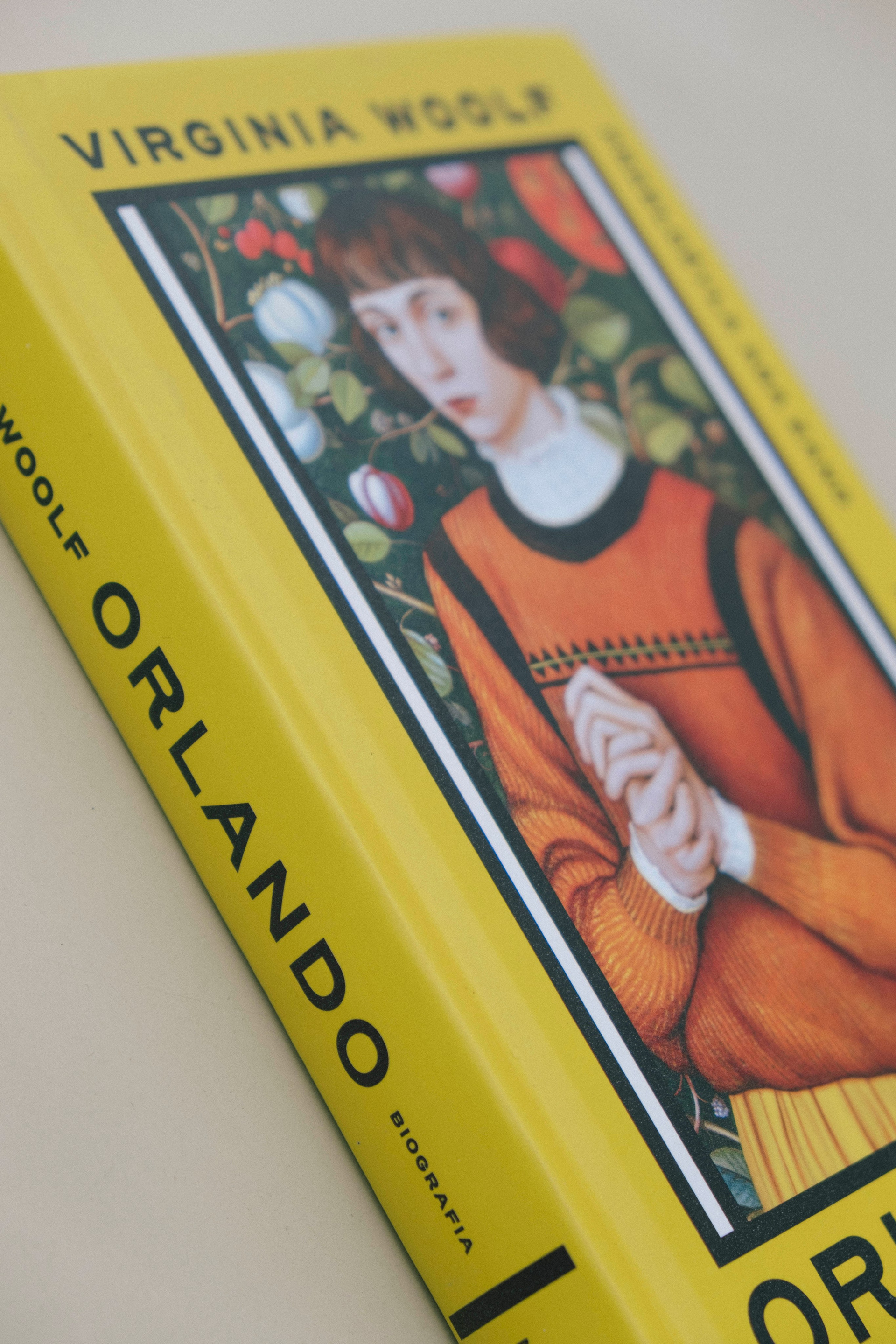
Cover design — Kira Pietrek
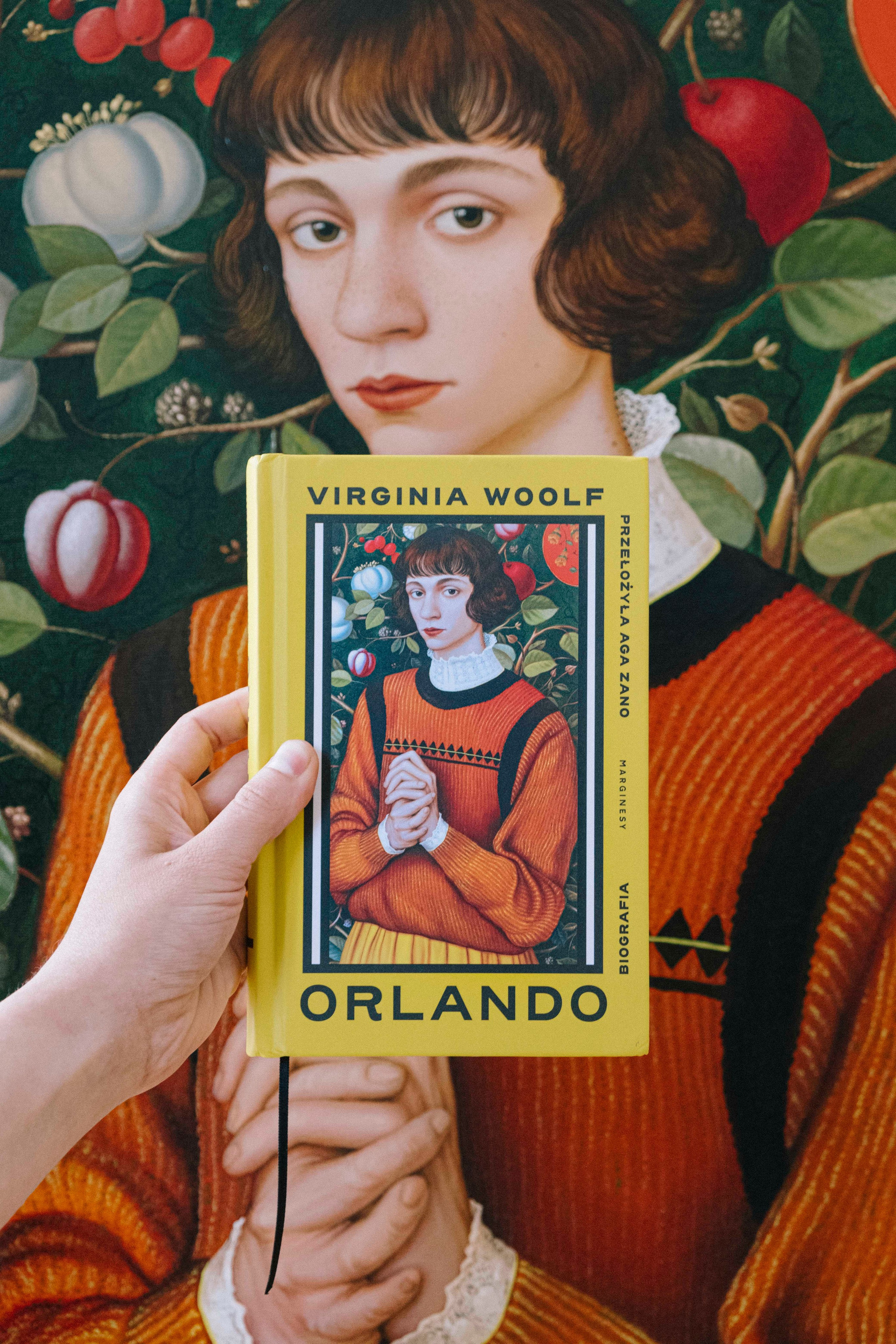
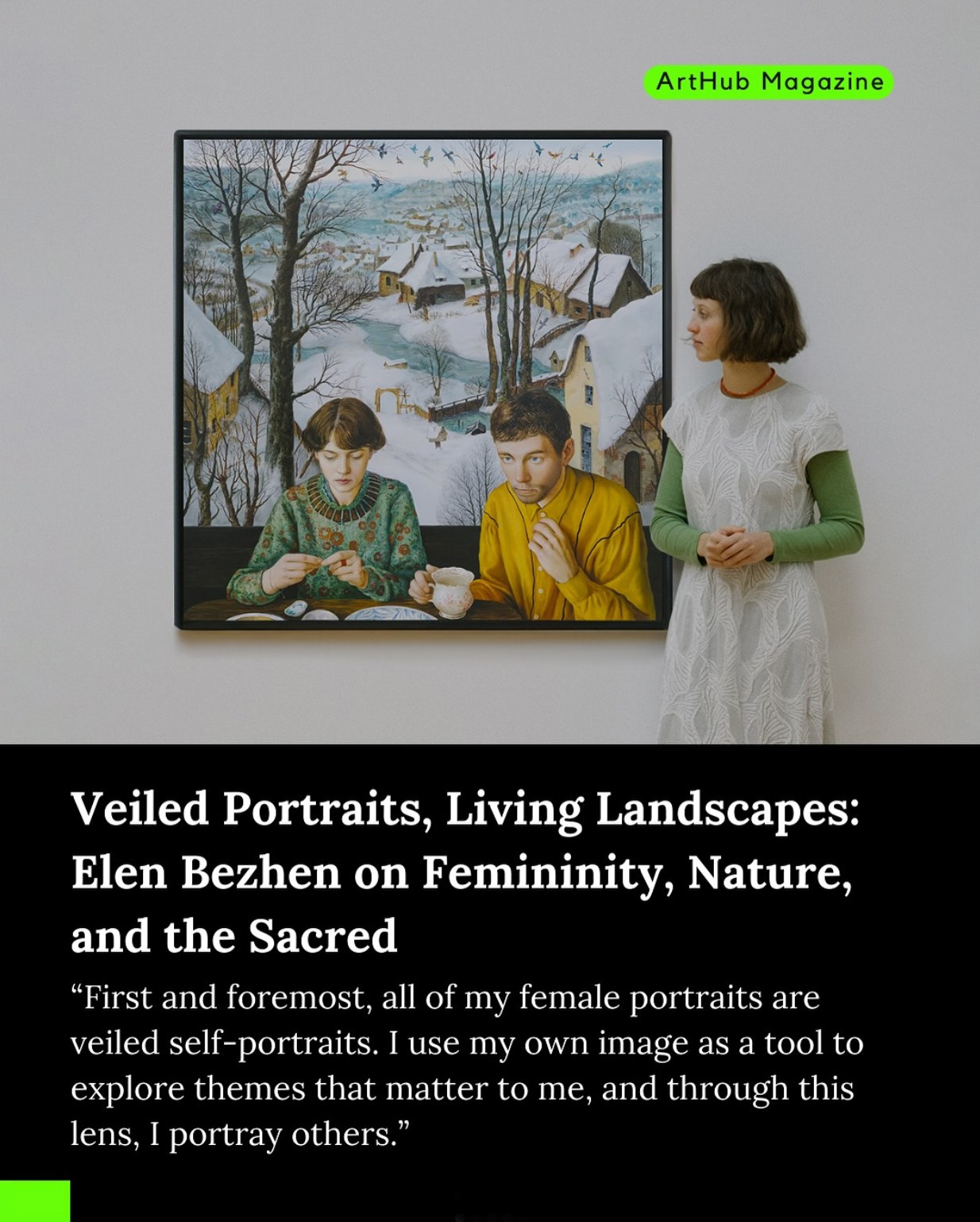
Image on the cover — Elen Bezhen
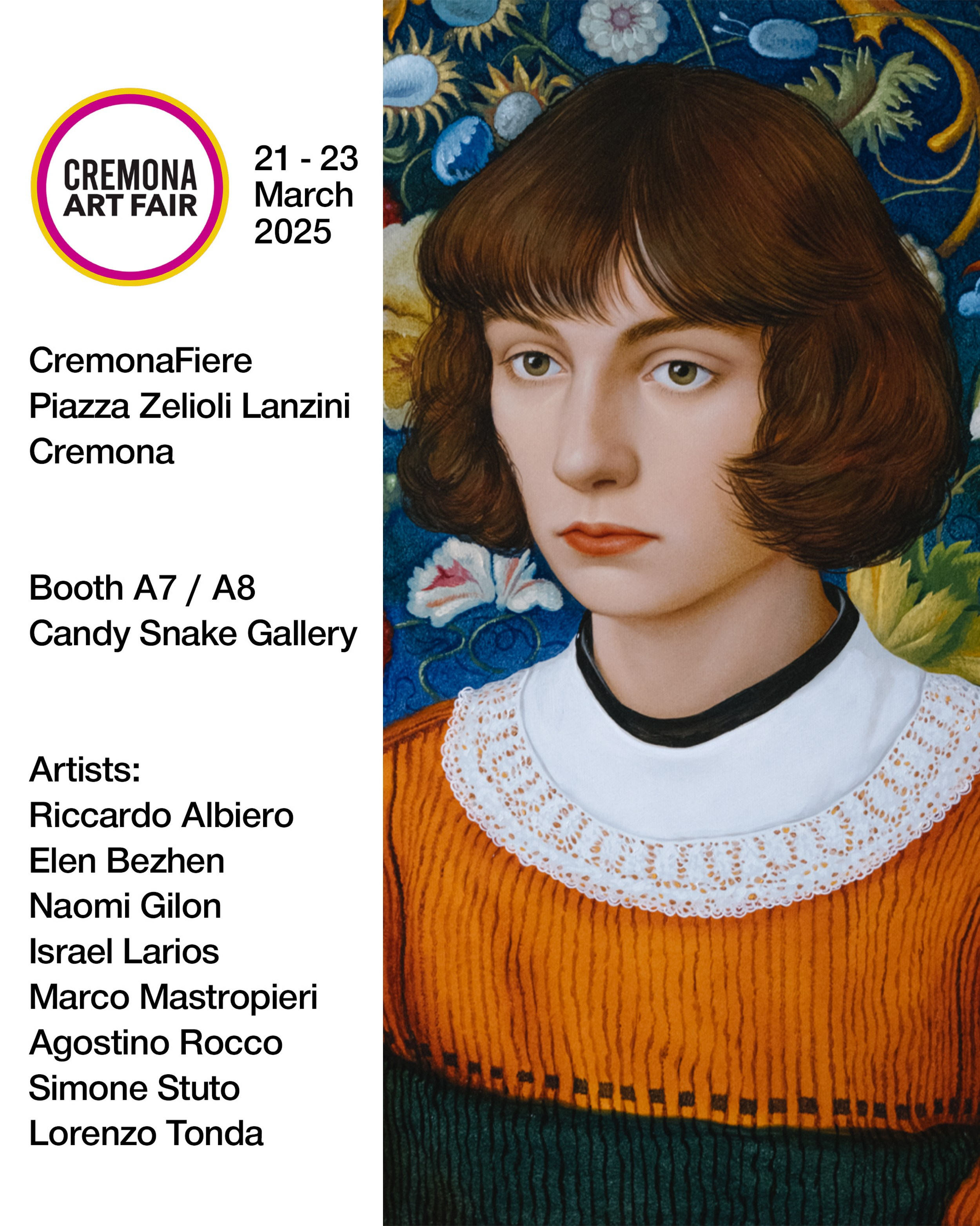
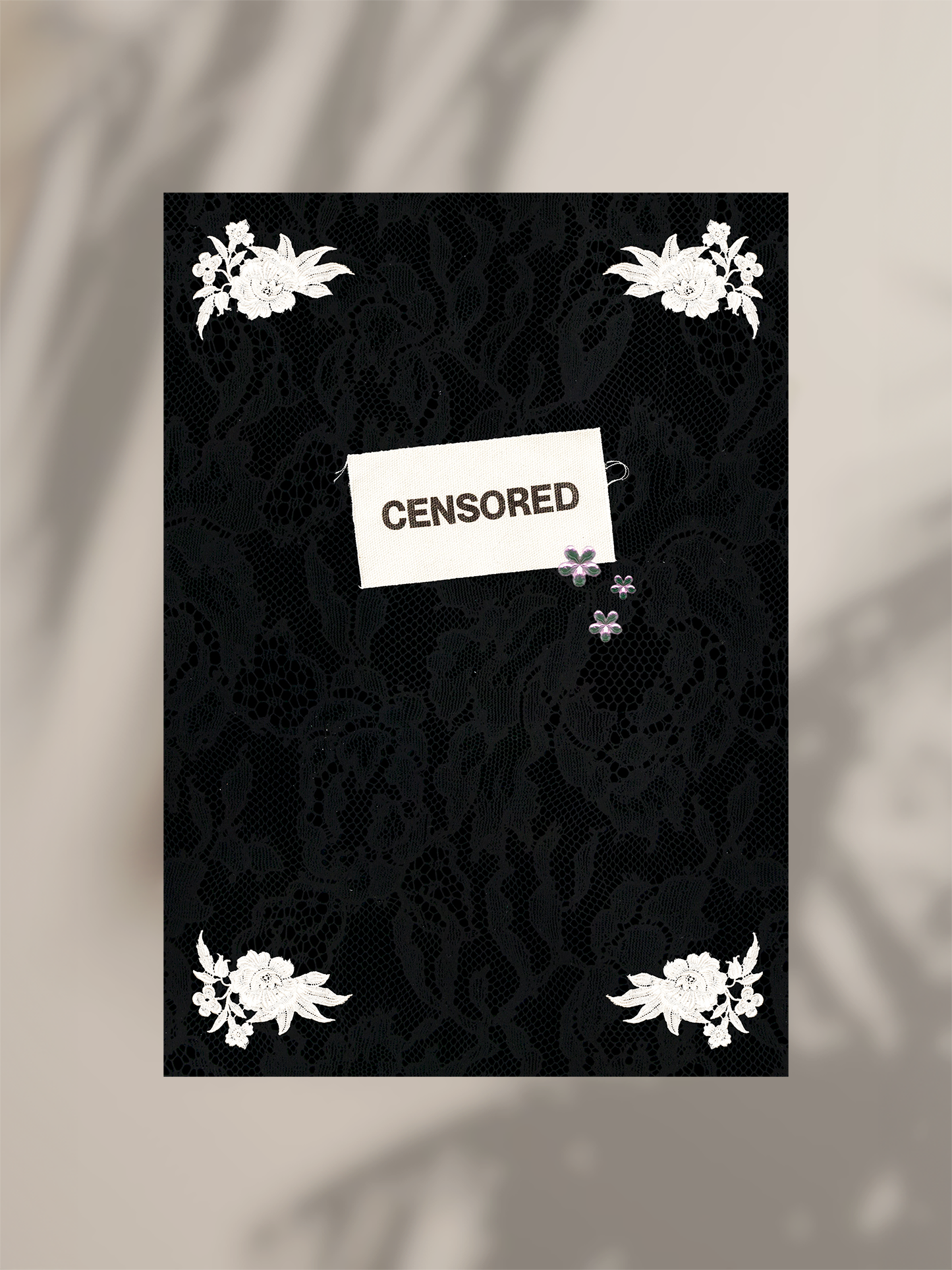
Publication in CENSORED Magazine

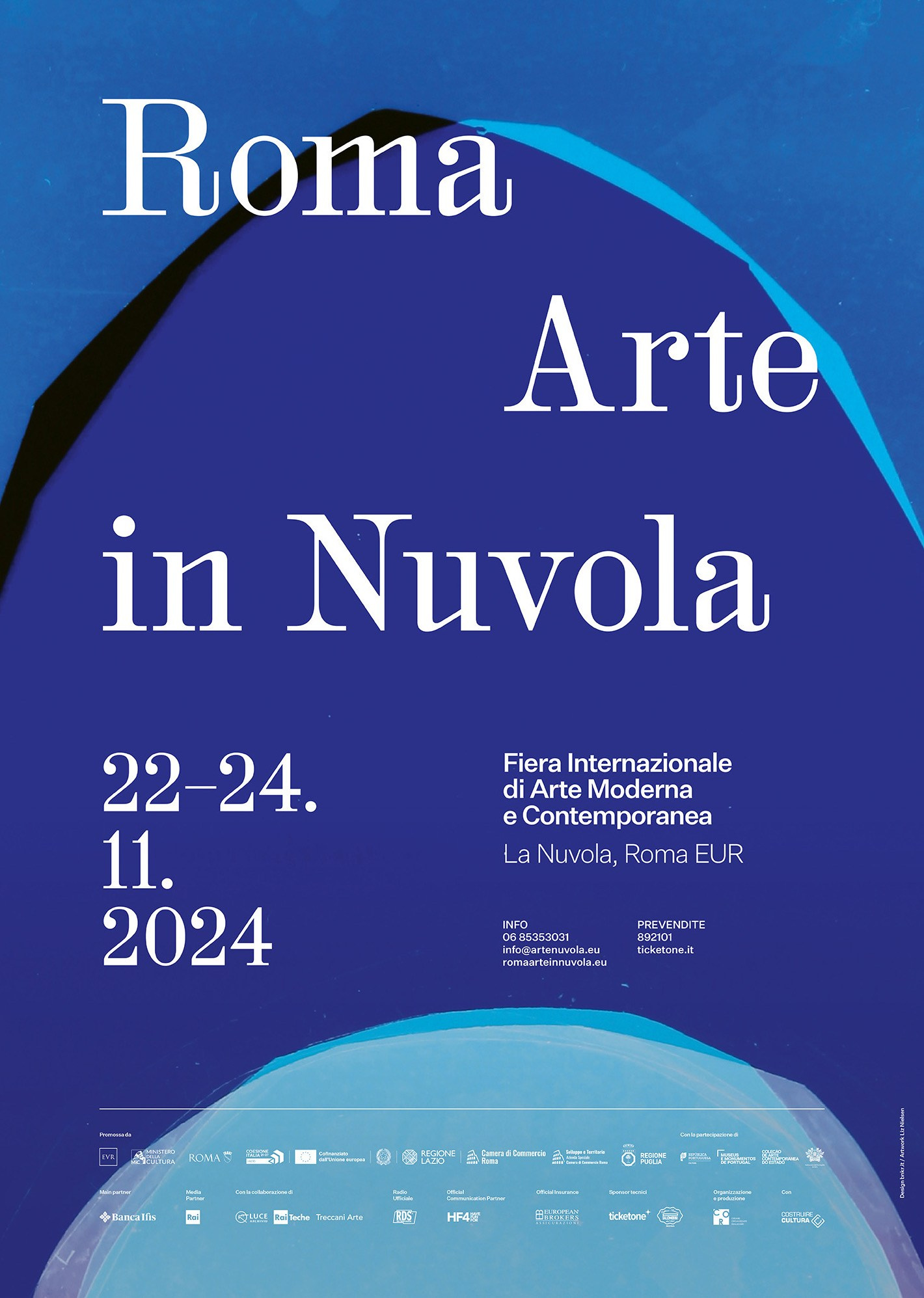
Roma Arte in Nuvola 2024
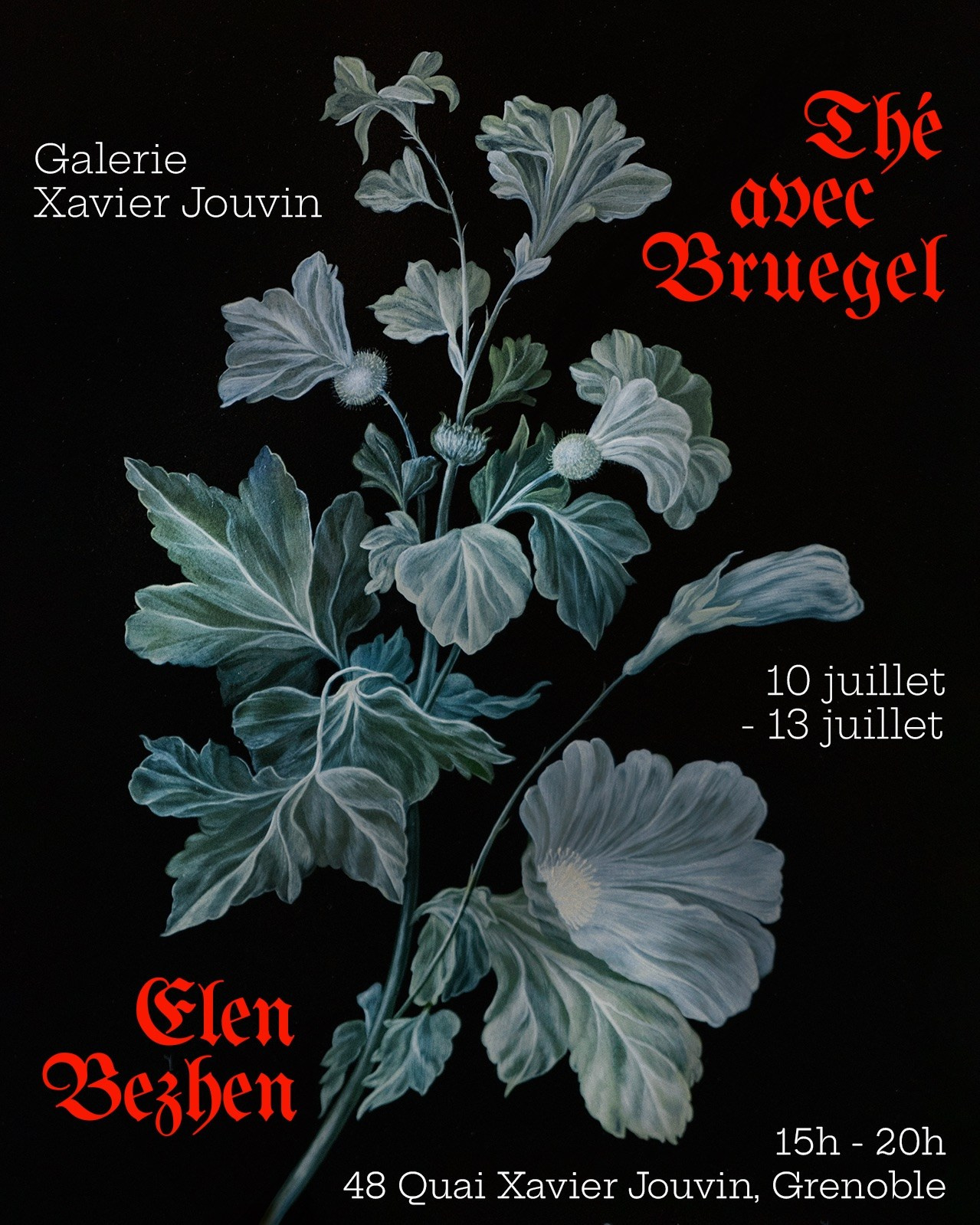
Thé avec Bruegel
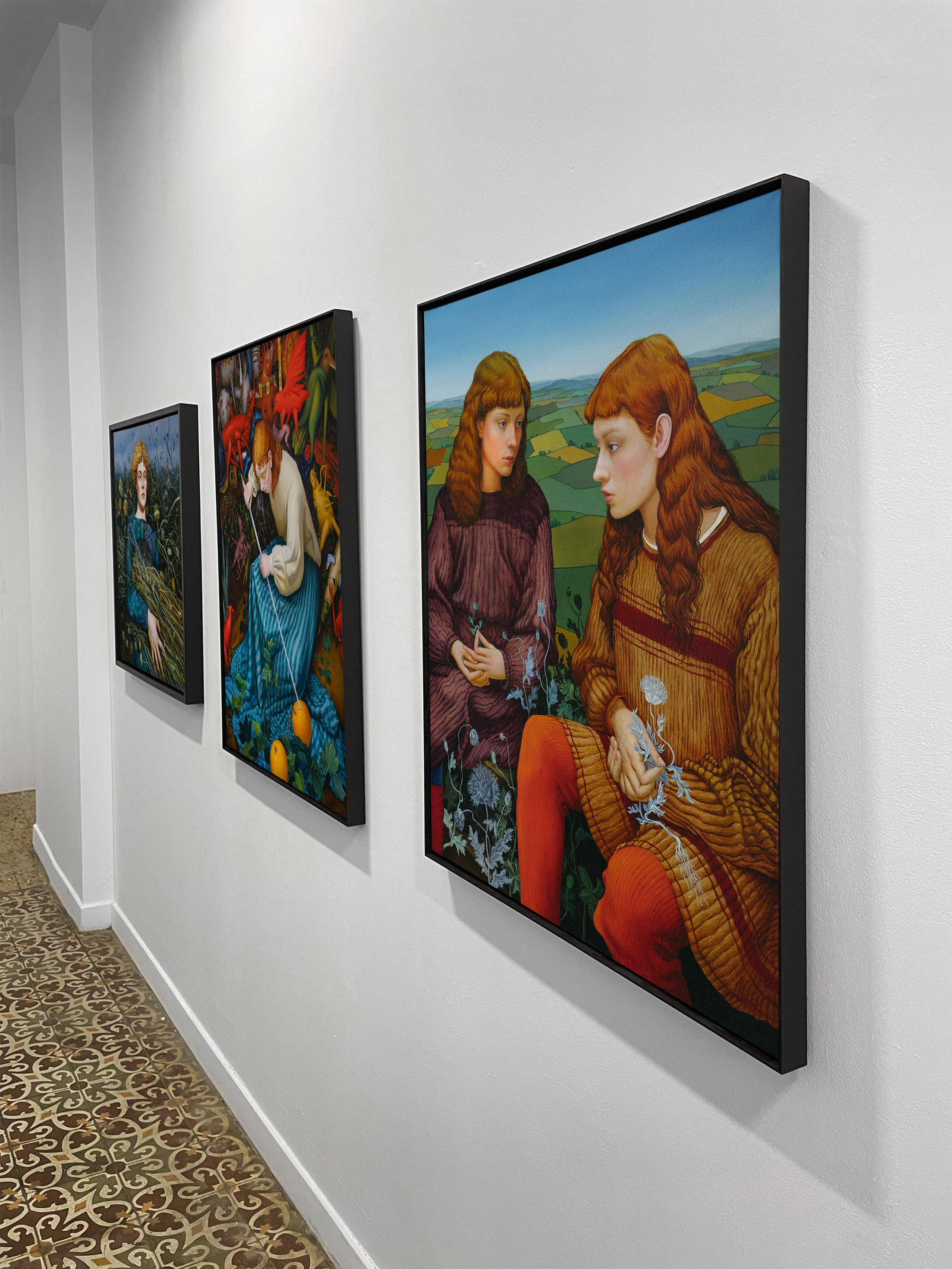
LE PRIX MOURLOT 2024
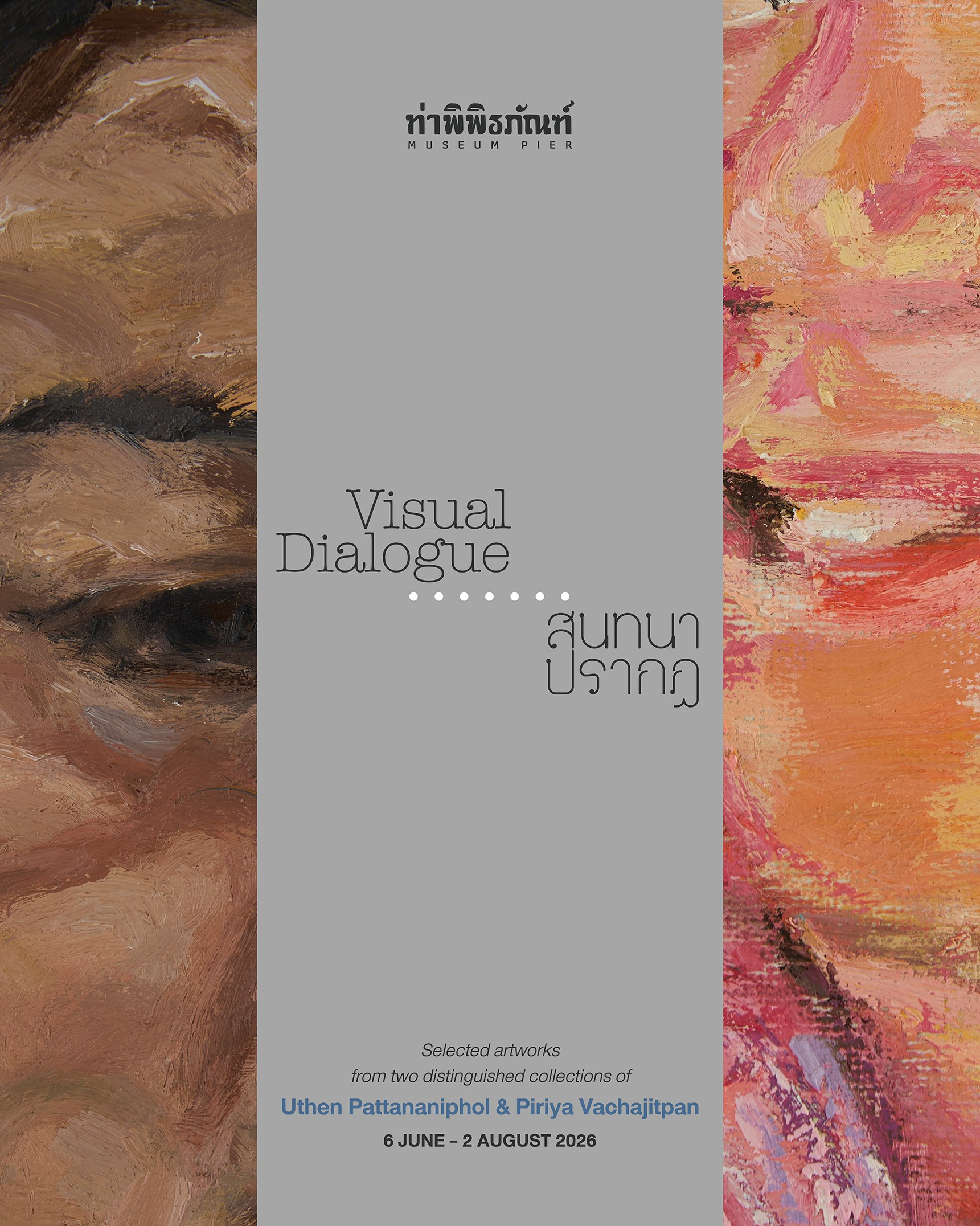
Visual Dialogue สนทนา ปรากฏ | Museum Pier

LA NOTA MANCANTE — Inaugural Exhibition